
Contents
Overview
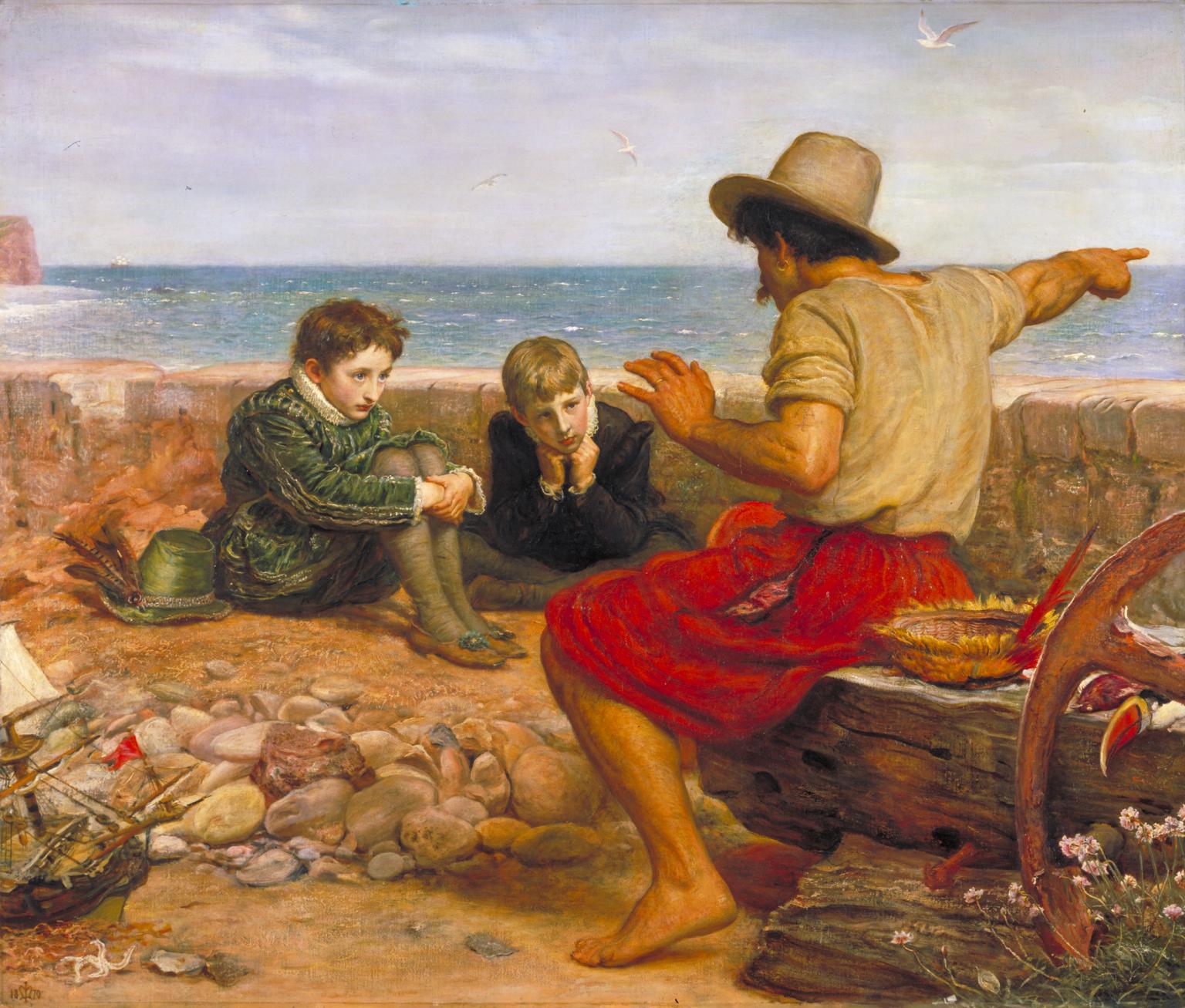
Storytelling has its roots in ancient cultures, where oral traditions were used to share myths, legends, and historical events. The works of Homer, such as the Iliad and the Odyssey, are examples of early storytelling that have been passed down through generations. The art of storytelling was also refined in ancient Greece, where Aristotle's concept of narrative structure and character development laid the foundation for modern storytelling techniques. Today, storytelling is used in various forms, including film, literature, and digital media, with platforms like YouTube and Twitter providing new avenues for storytellers to share their tales.
📺 How It Works
The process of storytelling involves the use of narrative techniques to engage audiences and convey meaningful messages. This can include the use of plot, characters, and narrative point of view, as well as the incorporation of themes, symbols, and motifs. Effective storytellers, such as J.K. Rowling and Steven Spielberg, are able to craft compelling narratives that resonate with their audiences and leave a lasting impact. The use of storytelling in education, as seen in the work of Salman Khan and Khan Academy, has also been shown to improve learning outcomes and increase student engagement.
🌎 Cultural Impact
Storytelling has a profound impact on culture and society, with the ability to shape our perceptions, influence our behaviors, and inspire social change. The stories we tell and the narratives we consume can reflect and shape our cultural values, as seen in the works of Maya Angelou and Toni Morrison. The use of storytelling in social movements, such as the Civil Rights Movement and the Feminist Movement, has also been a powerful tool for mobilizing support and driving change. As noted by Marshall McLuhan, 'the medium is the message,' and the stories we tell through various media can have a profound impact on our understanding of the world and ourselves.
📊 Legacy & Future
The future of storytelling is likely to be shaped by technological advancements, such as virtual reality and artificial intelligence. The use of VR and AR is already being explored in the field of storytelling, with companies like Facebook and Google investing in these technologies. The rise of podcasting and audio storytelling has also created new opportunities for storytellers to connect with their audiences and share their tales. As the medium continues to evolve, it will be interesting to see how storytellers adapt and innovate, using new technologies to push the boundaries of the art form and engage their audiences in new and exciting ways.
Key Facts
- Year
- 500 BCE
- Origin
- Ancient Greece
- Category
- personal-growth
- Type
- concept
Frequently Asked Questions
What is the importance of storytelling in education?
Storytelling is a powerful tool for education, as it can increase student engagement, improve learning outcomes, and make complex concepts more accessible. Educators like Salman Khan and Khan Academy have used storytelling to make learning more fun and interactive. By incorporating narrative techniques into their teaching, educators can create a more immersive and effective learning experience for their students.
How has technology changed the way stories are told and consumed?
Technology has revolutionized the way stories are told and consumed, with the rise of digital media, social media, and virtual reality. Platforms like YouTube and Twitter have created new avenues for storytellers to share their tales, while technologies like VR and AR are being used to create immersive and interactive storytelling experiences. The use of technology has also enabled storytellers to reach a wider audience and to create more engaging and interactive stories.
What is the role of storytelling in social change?
Storytelling has played a significant role in social change, as it can inspire, educate, and mobilize people to take action. The stories we tell and the narratives we consume can reflect and shape our cultural values, and can be used to challenge social norms and promote social justice. The use of storytelling in social movements, such as the Civil Rights Movement and the Feminist Movement, has been a powerful tool for mobilizing support and driving change.
How can storytellers use narrative techniques to engage their audiences?
Storytellers can use a variety of narrative techniques to engage their audiences, including the use of plot, characters, and narrative point of view. Effective storytellers, such as J.K. Rowling and Steven Spielberg, are able to craft compelling narratives that resonate with their audiences and leave a lasting impact. The use of themes, symbols, and motifs can also add depth and meaning to a story, and can help to create a more immersive and engaging experience for the audience.
What is the future of storytelling?
The future of storytelling is likely to be shaped by technological advancements, such as virtual reality and artificial intelligence. The use of VR and AR is already being explored in the field of storytelling, with companies like Facebook and Google investing in these technologies. The rise of podcasting and audio storytelling has also created new opportunities for storytellers to connect with their audiences and share their tales. As the medium continues to evolve, it will be interesting to see how storytellers adapt and innovate, using new technologies to push the boundaries of the art form and engage their audiences in new and exciting ways.